Series
The Cost of Growing Old
The financial architecture of aging in America was built with gaps wide enough to bankrupt a careful family. Six installments trace those gaps: Medicare's structural omissions, prescription pricing traps, the Medicaid spend-down that demands impoverishment before help arrives, a retirement safety net that was quietly hollowed out, and an unpaid caregiving economy worth hundreds of billions that no ledger records.

BGM-1A
The Price Tag No One Shows You
What It Actually Costs to Grow Old in America
Medicare covers a lot. The gap between what it covers and what aging actually costs can still run to tens of thousands of dollars a year, and most people discover this only after …

BGM-1B
The Fine Print They Hand You at 65
What Medicare Covers, What It Doesn't, and Why the Gaps Matter More Than You Think
Miss a Medicare enrollment window and you may pay higher premiums for the rest of your life. The rules are not complicated once you know them. The problem is that almost nobody …

BGM-1C
The Pharmacy Trap
Why Your Prescriptions Cost What They Do, and What's Finally Changing
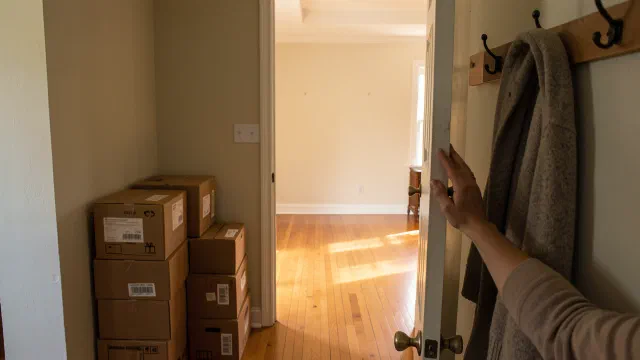
Drug pricing in America is not a mystery. It is a system, designed to extract maximum payment from the people least positioned to negotiate. Following the money from manufacturer …
BGM-1D
When the Savings Run Out
The Medicaid Spend-Down and the Impoverishment of Middle-Class America
Most Americans retire with far less than financial planners say they need. The gap between what savings cover and what care costs is where lives unravel, where assets vanish, and …

BGM-1E
Retirement Was a Promise
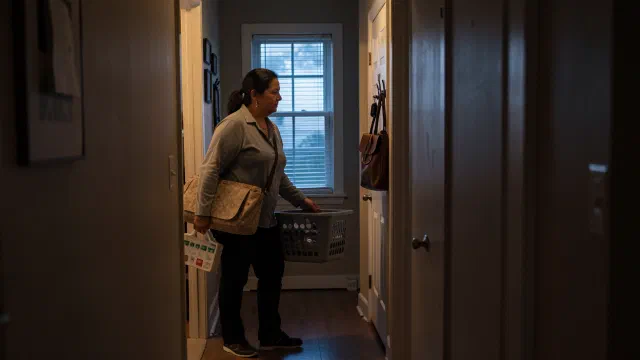
How America Broke Its Compact with the Old
The retirement that the American middle class was promised depended on a social contract that eroded over forty years of policy shifts, pension elimination, and wage stagnation. …
BGM-1F
The Hidden Economy of Caregiving
The Unpaid Labor Crisis Behind Growing Old in America
Fifty-three million Americans provide unpaid care to an older adult, and that labor shows up nowhere in GDP calculations and rarely in family budgets. The cost is real: in dollars, …

Companion pieces

BGM-1-Companion-A
What I Wish I'd Known
A Personal Reckoning with the Cost of Growing Old
The things nobody tells you at 64: enrollment windows, supplemental coverage choices, the difference between a good financial advisor and one profiting from …

BGM-1-Companion-B
The Thirty-Year Retirement
What Happens When the Last Third of Your Life Lasts Longer Than Anyone Planned For
Retirement at 65 can now last thirty years or more, a span longer than many careers. What does it actually take to plan for a life that long, financially and …