Series
The Aging Brain
Alzheimer's is the disease everyone fears and few understand accurately. Eleven installments move from the private moment you notice your own mind changing through the clinical landscape, the drugs that actually exist, the neuroscience of what caregiving does to the caregiver's brain, racial disparities in who gets diagnosed, and the philosophical questions medicine cannot answer. The series closes by asking what persists when memory does not.

BGM-2A
Before the Diagnosis
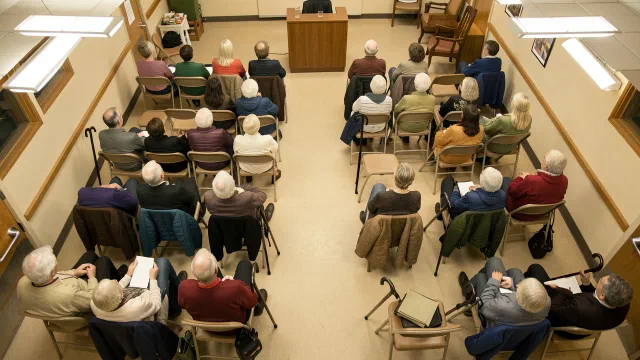
When You Notice Your Own Mind Changing
Years before a formal diagnosis, something shifts: names that won't come, words that vanish mid-sentence, a sense that the mind is working harder than it used to. The science of …
BGM-2B
Alzheimer's by the Numbers
A Portrait of the Disease in America
Six million Americans are living with Alzheimer's, but the aggregate number hides a sharply unequal distribution of risk, diagnosis, and care across race, income, and geography. A …

BGM-2C
Beyond Alzheimer's
The Other Dementias and Why They Matter
Alzheimer's is the most common but far from the only form of dementia. Vascular dementia, Lewy body disease, frontotemporal dementia, Parkinson's disease dementia: each follows a …

BGM-2D
What the New Drugs Actually Do
An Honest Guide to the First Generation of Alzheimer's Treatments
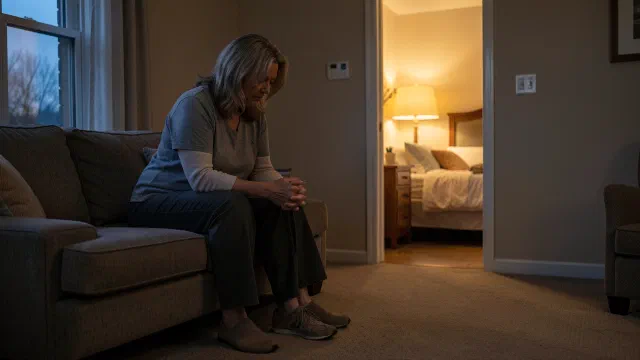
Lecanemab and donanemab represent genuine progress. The gap between what the clinical trials showed and what the drugs will deliver to most families is also real. Both things are …
BGM-2E
The Caregiver's Brain
What Happens to the Person Doing the Caring
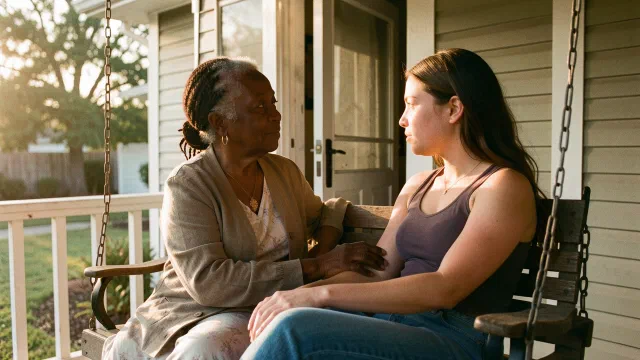
Chronic caregiving stress produces measurable changes in the brain, raising the caregiver's own risk of cognitive decline and cardiovascular disease. Tens of millions of people are …
BGM-2F
Race, Memory, and Medicine
The Unequal Landscape of Alzheimer's in America
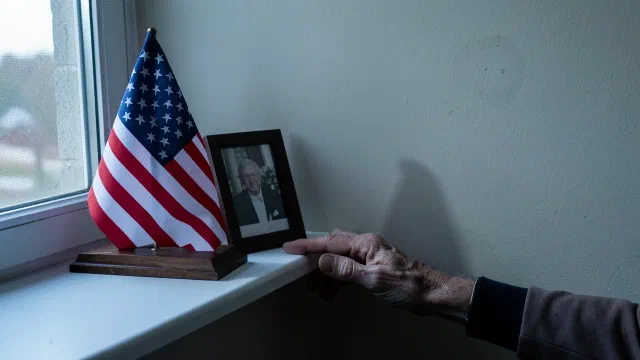
Black Americans are twice as likely to develop Alzheimer's as white Americans. Latino Americans are one and a half times as likely. Both groups are dramatically underrepresented in …
BGM-2G
Trauma and the Aging Brain
How a Lifetime of Stress Reaches Forward
A lifetime of trauma leaves a biological signature, and that signature shows up decades later in cognitive aging. What the research on PTSD, adverse childhood experiences, and …

BGM-2H
Quantum Leaps in Brain Science
How Quantum Computing Is Changing What We Can See
Quantum computing can now model protein folding and molecular interactions that classical computers cannot. What that means for Alzheimer's drug discovery timelines, and what it …
BGM-2J
AI and the Early Detection Revolution
What Machines Can See That Doctors Cannot
Blood biomarkers, speech analysis algorithms, gait sensors, retinal imaging: converging on a future where Alzheimer's can be detected years before symptoms appear. Which tools are …
BGM-2K
The Philosophy of Forgetting
Identity, Personhood, and What Remains When the Mind Changes
When memory goes, what remains? The philosophical questions that a dementia diagnosis raises about identity, personhood, and what it means to know someone across the arc of …

Companion pieces
BGM-2-Companion-A
The Long Goodbye, Reconsidered
A Meditation on Grief That Begins Before Death
The grief that accompanies dementia has no clear beginning and no clear end. This companion piece sits with the caregiver in the space between losing someone …

BGM-2-Companion-B
A Letter to the Newly Diagnosed
What to Do First, What Not to Panic About, and What Comes Next
A diagnosis just arrived. This piece addresses the newly diagnosed directly: what to do in the first month, the legal and financial conversations that cannot …

BGM-2-Companion-C
The Body Remembers
Intimacy, Sexuality, and Dementia
Nobody talks about intimacy and dementia. This companion piece addresses the questions caregivers cannot ask out loud: what changes in sexual behavior and …