Series
The Body After 60
The body after 60 is not one problem but a system of interacting conditions that no single doctor oversees. Eleven installments trace how cardiovascular disease, diabetes, chronic pain, sensory loss, falls, bone loss, and polypharmacy compound each other while the healthcare system treats each in isolation. The series closes with the single intervention that addresses nearly all of them: movement.
BGM-3A
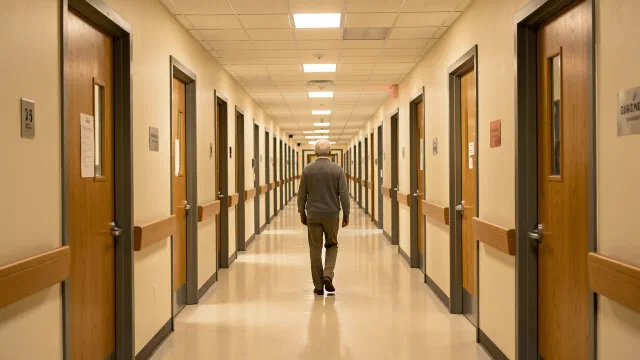
The Heart of the Matter
Cardiovascular Disease and the Aging Body
Cardiovascular disease is still the leading cause of death in older Americans, and the relationship between heart health and brain health is closer than most people realize. The …
BGM-3B
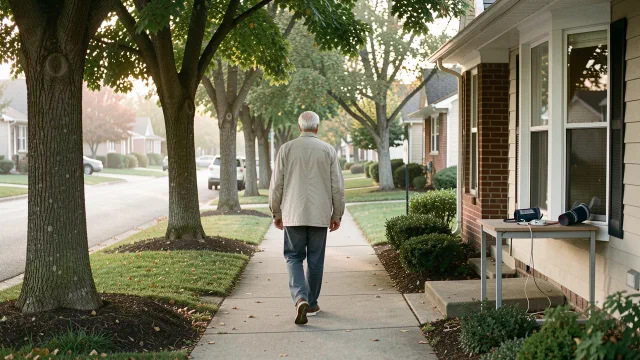
Sugar, Insulin, and the Aging Body
Diabetes as the Disease That Accelerates Everything Else
Nearly half of older Americans have type 2 diabetes or prediabetes, and the metabolic changes driving those conditions begin decades before a diagnosis arrives. What is actually …
BGM-3C
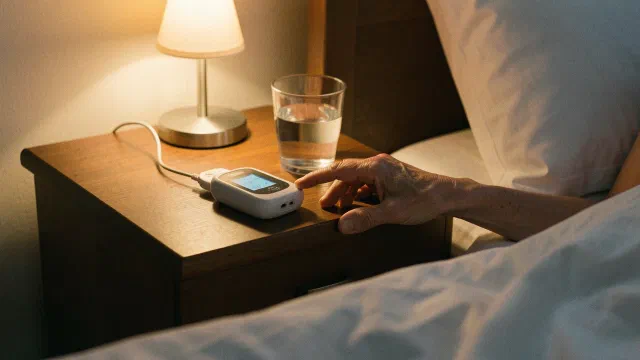
Chronic Pain and the Opioid Shadow
When Hurting Never Stops
Chronic pain is among the most undertreated conditions in older adults, and the opioid crisis has made physicians more cautious in ways that sometimes leave people suffering …
BGM-3D
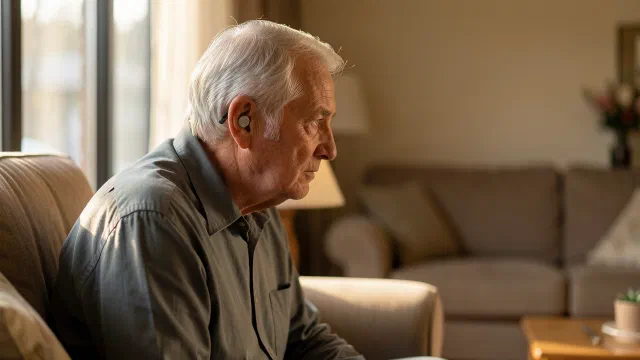
The Senses After 60
When the World Gets Quieter and Less Clear
Hearing loss, vision changes, and diminished taste and smell are common in aging and routinely underestimated in their consequences for cognitive health and quality of life. …
BGM-3E
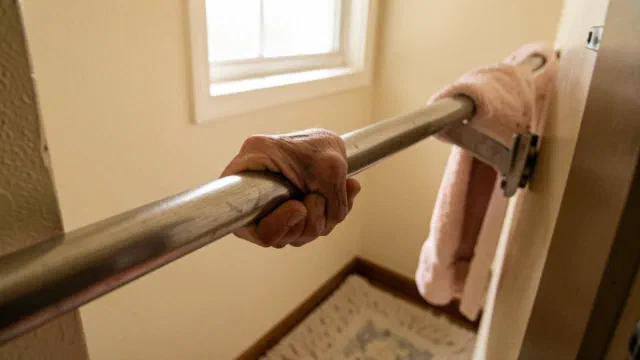
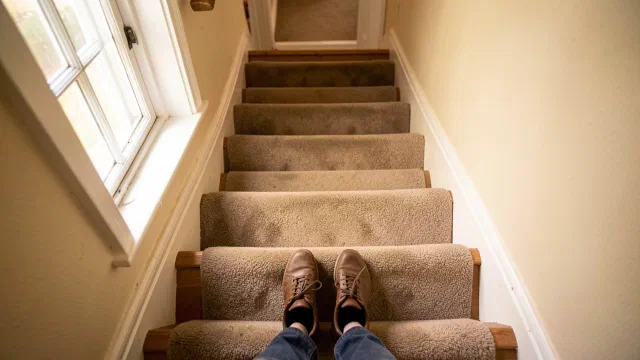
When the Ground Moves
Falls, Fear, and the Spiral That Steals Independence
Falls are the leading cause of injury death in Americans over 65, and the fear of falling can be as disabling as a fall itself. What actually reduces fall risk, and how to have a …
BGM-3F
The Bones Beneath
Osteoporosis, Arthritis, and the Infrastructure of Independence
Osteoporosis produces no symptoms until something breaks. By the time the fracture happens, the disease has often been present for years. What screening, treatment, and the …
BGM-3G
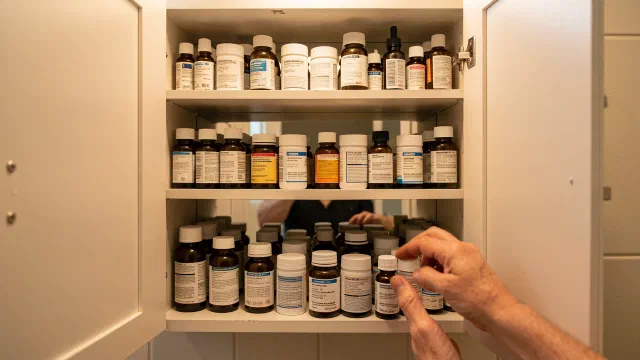
Polypharmacy
The Medication Maze After 65
The average older American takes five or more prescription medications, and the interactions between them can produce symptoms that look like aging but are actually side effects. …

BGM-3H
The Medicine Cabinet in Five Years
What It Costs, Who Pays, and What's Finally Shifting
Senolytic drugs, GLP-1 medications being studied beyond diabetes, and other therapies moving through trials now: what is coming for chronic conditions in aging adults, and what the …
BGM-3I
What the Pipeline Holds
The Drugs That May Change the Cabinet, and the Ones Still Missing
A deeper look at the pharmaceutical and biotech pipeline: where the most promising science is targeting the conditions of aging, how far it is from clinical availability, and …

BGM-3J
The Gut, the Brain, and Everything Between
What Your Digestive System Has to Do with Your Memory
The relationship between the gut microbiome and cognitive and emotional health is one of the most active areas in aging science, and the early findings are striking. What we know, …

BGM-3K
Movement as the Best Medicine
The One Intervention That Shows Up Everywhere
Exercise is the single most evidence-backed intervention for healthy aging across nearly every physiological system. What the research actually says about type, duration, and …