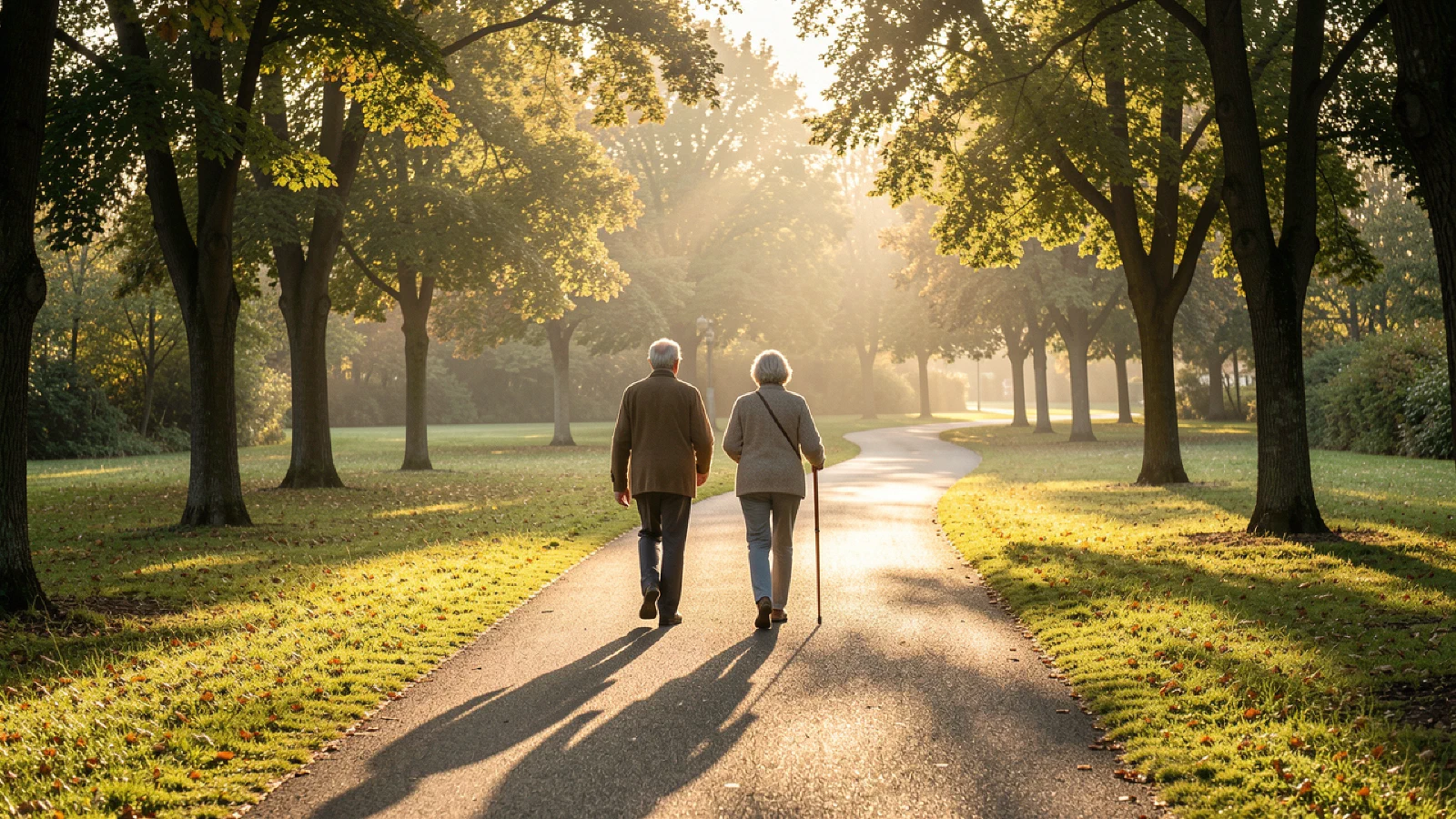
Movement as the Best Medicine
The One Intervention That Shows Up Everywhere
If a pharmaceutical company developed a drug that reduced the risk of heart disease, type 2 diabetes, eight cancers, dementia, depression, falls, osteoporotic fractures, and all-cause mortality; that improved sleep, balance, bone density, and gut microbiome diversity; that slowed cognitive decline even in people with elevated amyloid in their brains; and that cost nothing, the stock would be worth more than every company in the S&P 500 combined.
That drug exists. It is called exercise. And the reason no one is selling it to you is that no one can patent it.
This installment is different from the others in this series. Instead of covering a single condition, it covers what happens when you step back and look at every condition we have discussed, from heart disease in installment 3A through the gut-brain axis in 3J, and ask the same question of each: what does the evidence say about physical activity? The answer, with remarkably few exceptions, is the same. It helps. Often substantially. And often more than the drugs we spend billions to develop.
The Evidence Across the Series
Start with the heart. Regular physical activity reduces cardiovascular mortality. It lowers blood pressure, improves lipid profiles, reduces arterial stiffness, and decreases the inflammatory markers that drive atherosclerosis. The WHO guidelines recommend at least 150 to 300 minutes of moderate-intensity aerobic activity per week for older adults, with additional muscle-strengthening activities on two or more days. The evidence supporting these recommendations is rated as moderate to strong across multiple systematic reviews.
Move to diabetes. Exercise improves insulin sensitivity, helps regulate blood glucose, and reduces the risk of developing type 2 diabetes in the first place. For people already managing the disease, regular activity is as effective as some oral medications at lowering HbA1c levels. It does not replace metformin. But it works alongside it in ways that no additional pill can replicate.
Pain, the subject of installment 3C, responds to movement even when every instinct says to rest. For osteoarthritis, the most common source of chronic pain in older adults, exercise reduces pain and improves function. The 2018 Physical Activity Guidelines, updated in scope by the 2025 advisory committee, explicitly note that physical activity decreases pain caused by osteoarthritis. The challenge is obvious: when your knees hurt, the last thing you want to do is move them. But the evidence consistently shows that appropriate movement, tailored to the individual, outperforms rest.
Falls, covered in installment 3E, are perhaps the clearest case. The 2024 US Preventive Services Task Force recommendation, based on a systematic review of 83 trials, gives exercise a B recommendation for fall prevention in community-dwelling adults 65 and older. Exercise interventions reduced the rate of falls by 15 percent and the individual risk of falling by 8 percent. Nearly all effective programs included balance training as a component. The USPSTF noted that while it is difficult to isolate specific components, balance and functional training appeared consistently in successful programs.
Bone loss, the subject of installment 3F, slows with weight-bearing and resistance exercise. The effect is not dramatic, but it is measurable, and it compounds over time. More importantly, exercise reduces fracture risk through a mechanism separate from bone density: by improving balance, reaction time, and muscle strength, it reduces the falls that cause most fractures.
Depression and anxiety, which shadow nearly every condition in this series, respond to physical activity with effect sizes comparable to antidepressant medication in some meta-analyses. For older adults, who metabolize medications differently and face higher risks of drug interactions, this matters enormously. Exercise is not a replacement for psychiatric care when psychiatric care is needed. But for the low-grade depression that accompanies chronic pain, isolation, and loss of independence, regular movement is one of the most reliable interventions available.
And as we covered in the previous installment, exercise modifies the gut microbiome itself, increasing the diversity of bacterial species and the production of short-chain fatty acids that support both intestinal and brain health.
The Brain Evidence
The cognitive evidence deserves special attention because it is both the most promising and the most contested.
A 2025 study published in JAMA Network Open by researchers at Boston University found that higher physical activity during midlife (ages 45 to 64) was associated with a 41 percent lower risk of dementia, while activity during late life (ages 65 to 88) was associated with a 45 percent lower risk. The intensity mattered during midlife but not in late life, suggesting that for older adults, simply being active may matter more than how vigorously.
A separate 2025 study in Nature Medicine used pedometer-measured step counts in cognitively unimpaired older adults with elevated amyloid, the protein associated with Alzheimer’s pathology. Higher physical activity was associated with slower cognitive decline and, critically, with slower accumulation of tau protein in the inferior temporal lobe. The benefit plateaued at a moderate level of activity, suggesting you do not need to train for a marathon. You need to walk.
A 2025 network meta-analysis in Frontiers in Aging Neuroscience found that different types of exercise benefit different cognitive domains: resistance training was most effective for global cognition, mind-body exercise (such as tai chi and yoga) for executive function, and aerobic exercise for memory. This is useful because it means the specific activity matters less than the act of doing something.
But honesty requires noting a large 2024 meta-analysis in JAMA Network Open that pooled 104 observational studies with over 341,000 participants and found only a weak association between baseline physical activity and subsequent cognition. The authors concluded that physical activity might postpone cognitive decline at a population level, but to a very small extent. The discrepancy between this finding and the more dramatic results from individual studies likely reflects the difference between observational and interventional data, between “some activity versus none” and “structured exercise versus usual care.”
The honest summary: exercise almost certainly helps the aging brain. How much it helps, and whether it can meaningfully delay dementia in an individual, remains less certain than the enthusiasm sometimes suggests. But the floor of benefit is real, and the ceiling of risk is essentially zero for appropriately designed programs.
Why Older Adults Do Not Exercise
If the evidence is this strong, why do only about one in five American adults meet physical activity guidelines? Among older adults, the barriers are not ignorance. They are pain, fear, fatigue, transportation, cost, embarrassment, and the accumulated momentum of a sedentary life.
A person with severe osteoarthritis in both knees does not need a lecture about the benefits of walking. They need a physical therapist who can design a water-based program their insurance will cover. A caregiver who has not slept more than four consecutive hours in six months does not need to be told that exercise reduces depression. They need respite care so they can leave the house.
The medical system contributes to the problem. The eight-minute appointment referenced in installment 3A does not leave time for exercise counseling. Medicare covers physical therapy after a fall or a surgery but rarely before one. The $2,100 annual out-of-pocket cap on Part D, discussed in installment 3H, does nothing for the gym membership or the water aerobics class.
There is a bitter irony here. The single most evidence-based intervention for nearly every condition discussed in this series is the one least likely to be prescribed, covered, or supported by the healthcare system that treats those conditions. We will spend $28,000 a year on lecanemab for one person’s Alzheimer’s disease while declining to fund the community exercise programs that might help prevent or delay cognitive decline in thousands.
What Actually Works
The good news is that the threshold for benefit is lower than most people think. You do not need a gym. You do not need equipment. You do not need to be fit to start.
Walking counts. Tai chi counts. Chair exercises count. Gardening counts. Dancing counts. The 2025 network meta-analysis found significant cognitive benefits from programs as modest as three sessions per week for 12 weeks. The USPSTF fall prevention evidence included programs ranging from group balance classes to home-based exercises with minimal equipment.
The key principles are consistency, progressive challenge (especially for balance), and some form of resistance work for the muscles and bones. A 70-year-old who has been sedentary for a decade does not need to start where a 70-year-old athlete left off. They need to start where they are.
For people managing chronic conditions, which means most adults over 65, a conversation with a primary care provider about exercise is worth more than most conversations about supplements. Ask specifically: given my conditions, what can I do? Not: should I exercise? The answer to that question, for nearly everyone who can move at all, is yes.
The Uncomfortable Truth
We have spent this entire series examining the conditions that define aging in the body: the diseases, the medications, the costs, the pipeline of drugs yet to come. Movement does not cure any of them. It does not replace medications that are needed or surgeries that are warranted. But it appears in the evidence base for all of them, usually with a favorable side-effect profile that no drug can match.
The companion essay that follows this installment will step back from the clinical evidence and ask a more personal question: given everything we have covered across these eleven installments, what does it mean to inhabit an aging body with honesty and without despair? But before we get there, the clinical record deserves its summary, and the summary is this: the body after 60 still responds to being used. The most important thing you can do for your heart, your bones, your brain, your gut, and your mood is also the simplest. Move. Not perfectly. Not heroically. Just regularly, and starting from wherever you happen to be.
How this article connects to others in Blue Gray Matters.
Sources cited in this article.
- Piercy, Katrina L., et al. "The Physical Activity Guidelines for Americans." JAMA, vol. 320, no. 19, 20 Nov. 2018, pp. 2020-2028.
- World Health Organization. "WHO Guidelines on Physical Activity and Sedentary Behaviour." WHO, 2020.
- Erickson, Kirk I., et al. "Physical Activity, Cognition, and Brain Outcomes: A Review of the 2018 Physical Activity Guidelines." Medicine and Science in Sports and Exercise, vol. 51, no. 6, June 2019, pp. 1242-1251.
- U.S. Preventive Services Task Force. "Falls Prevention in Community-Dwelling Older Adults: Interventions." Recommendation Statement, 4 June 2024.
- Stubbs, Brendon, et al. "EPA Guidance on Physical Activity as a Treatment for Severe Mental Illness." European Psychiatry, vol. 54, Oct. 2018, pp. 124-144.
- Dohrn, Iris-Maria, et al. "Step Count and Cognitive Decline in Cognitively Unimpaired Older Adults with Elevated Amyloid." Nature Medicine, 2025.
- Iso-Markku, Paula, et al. "Physical Activity and Cognitive Decline Among Older Adults: A Systematic Review and Meta-Analysis." JAMA Network Open, vol. 7, no. 2, 2024, e2354285.
- Liu-Ambrose, Teresa, et al. "Resistance Training and Executive Functions: A 12-Month Randomized Controlled Trial." Archives of Internal Medicine, vol. 170, no. 2, 25 Jan. 2010, pp. 170-178.
- Wayne, Peter M., et al. "Effect of Tai Chi on Cognitive Performance in Older Adults: Systematic Review and Meta-Analysis." Journal of the American Geriatrics Society, vol. 62, no. 1, Jan. 2014, pp. 25-39.