Series
Aging in Place, Aging in Limbo
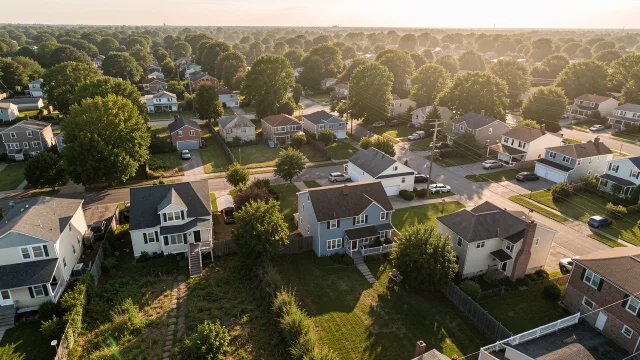
The house that held your family for forty years may not hold you through the next twenty. Seven installments examine what aging in place actually requires, why the housing stock resists adaptation, how suburban design traps older adults, what the nursing home system looks like from inside, and the policy fights over accessory dwellings that could change the equation. The question underneath: what does staying cost?
BGM-5A
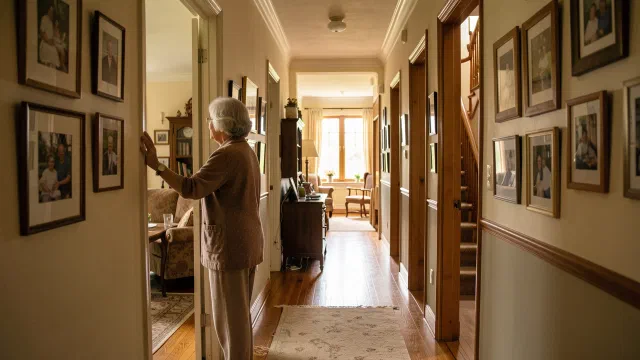
The House That Holds You
Why Home Is More Than Where You Live
For most older Americans, home is where identity, memory, and the sense of competence are stored. What aging in place actually requires, structurally, financially, and socially, …
BGM-5B
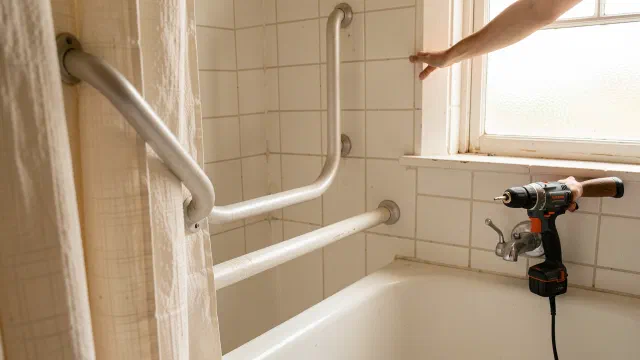
Smart Homes, Stubborn Homes
What Technology Can and Cannot Do for Aging in Place
Sensor arrays, fall detection, smart medication dispensers: the technology promises to extend safe independent living. The reality is more complicated, more expensive, and more …
BGM-5C
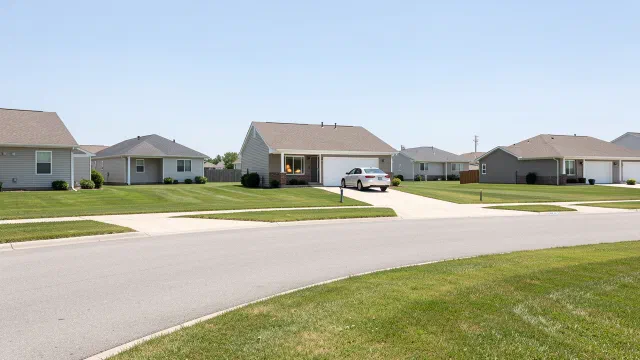
Alone in the Suburbs
How the Places We Built for Families Fail Aging Bodies
The American suburb was not designed for people who can't drive, and that design choice is not abstract for the older adult whose keys are gone. The geography of suburban isolation …
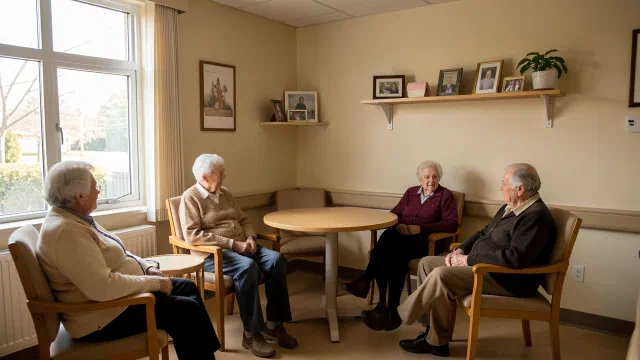
BGM-5D
The Nursing Home Reckoning
What COVID Revealed and What Comes Next
COVID-19 exposed the systemic failures of the nursing home industry with a clarity that could not be ignored. What went wrong, what has actually changed since, and what families …
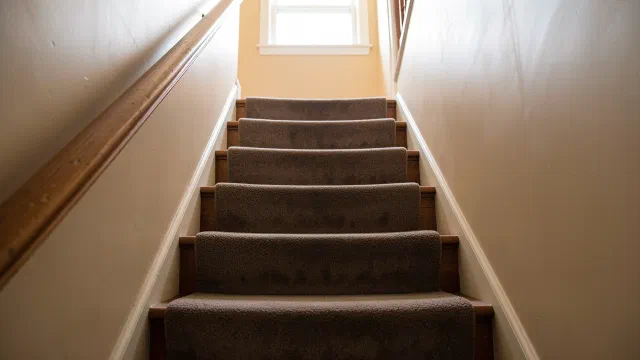
BGM-5E
When Home Becomes Unsafe
The Decision Point Nobody Wants to Reach
The decision to leave home rarely arrives cleanly. It accumulates through incidents, near-misses, and a growing gap between what the house requires and what the person living in it …
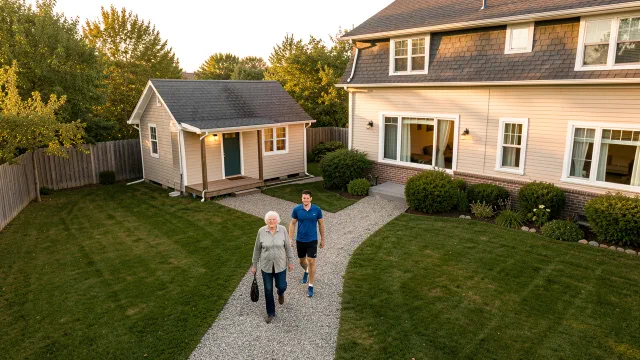
BGM-5F
The Accessory Dwelling Revolution
Alternatives Between Your House and a Facility
Accessory dwelling units are among the most practical and underused tools for keeping families close without forcing cohabitation. The regulatory landscape, the real costs, and …