When Home Becomes Unsafe
The Decision Point Nobody Wants to Reach
She found her mother on the kitchen floor at three in the afternoon. Her mother had been there since eight in the morning. She had not fallen. She had sat down and could not get up. She was too disoriented to call for help. She was not injured, but she was scared. She did not understand why her legs would not work, why the phone seemed so far away, why the morning had become the afternoon without her knowing.
The daughter knelt beside her. Neither of them spoke for a while. The daughter helped her mother to the couch, made tea, checked for injuries, and said nothing about what both of them knew. The house where her mother had lived for thirty-four years had just become something else.
This is how the conversation often begins. Not with a thoughtful family meeting or a proactive assessment. With a body on the floor and the hours it spent there.
When Independence Becomes Danger#
The categories of risk accumulate gradually, then announce themselves suddenly.
Falls without the ability to call for help. Wandering in the confusion of dementia, leaving the house at 2 AM to look for a parent who died forty years ago. Medication errors that cascade into hospitalization. Nutritional decline because shopping and cooking have become impossible. The stove left on because no one remembered turning it on. The door opened to a stranger who talks their way inside.
Most of these risks are invisible until something happens. A neighbor checks in twice a week. Things happen between checks. A phone call every evening confirms a voice but not a circumstance. The daughter lives 600 miles away. She does not know what the kitchen floor looks like at 3 PM.
The incident that forces the conversation is usually not the first danger. It is the first danger that someone sees. How many near-misses happened before? How many mornings began on the floor with no one to help? The answer is often unknowable, which makes the calculation of what to do next even harder.
The Middle Ground Technology Offers#
Between full independence and institutional placement, a growing array of monitoring technologies promises to fill the gap.
AI-powered behavioral monitoring systems learn a person’s baseline patterns: when they wake, how they move through the house, when they eat, when they take medications, how long they sleep. Deviation from the pattern triggers alerts. A morning without movement in the kitchen. A night with restless pacing. A day when the refrigerator never opened. The systems from CarePredict, Current Health, Teal, and others can detect gradual decline over weeks, catching patterns that would otherwise go unnoticed until crisis.
What these systems can do is substantial. They can identify a fall and summon help faster than waiting for a scheduled check-in. They can flag cognitive decline before it becomes dangerous. They can give distant family members real-time awareness of what is happening in a home they cannot visit.
What they cannot do is equally important. They cannot provide physical care. They cannot prevent a fall. They cannot administer medications or ensure they are taken. They cannot offer companionship. They cannot decide when the risks have become too great.
Technology extends the runway. It does not prevent the end of the runway from arriving. A monitoring system that detects a fall still requires someone to respond to the alert. The detection buys minutes, perhaps hours. It does not buy years.
How Families Make the Decision#
Legally, a competent adult decides for themselves where they live. In practice, the decision is rarely so clean.
The most common pathway looks like this: a hospitalization (fall, infection, stroke, something sudden) leads to a rehabilitation stay at a skilled nursing facility. Before discharge, a social worker assesses whether the person can safely return home. The assessment considers physical function, cognitive status, home environment, and available support. If the answer is no, the patient and family receive a list of long-term care options. The patient, often still confused from the hospitalization, has limited input. The family, often exhausted and frightened, makes a choice with incomplete information.
This is not the better pathway. It is the common one.
The better pathway involves proactive conversation. Touring assisted living options while the parent is well enough to evaluate them. Discussing what circumstances would trigger a move. Naming preferences while preferences can still be articulated. Trial stays at facilities to test fit before necessity forces commitment. Gradual transitions: more home care, then some nights at a family member’s house, then a formal move made on a schedule rather than in a crisis.
This pathway is rare because it requires confronting what no one wants to confront. The body will fail. The mind may fail. Independence will end. Planning for that ending feels like hastening it, or worse, like abandoning hope. Families delay until delay is no longer possible.
The guilt flows in every direction. Adult children who advocate for a move feel they are betraying the parent who raised them, who asked only to stay in the house they love, who said please don’t put me in a home. Parents who agree to move feel they are giving up, admitting defeat, becoming a burden. Parents who resist feel abandoned by children who should be taking care of them. Children who respect that resistance feel complicit in danger they cannot prevent.
There is no configuration of this decision that does not involve grief.
The Autonomy Question#
The philosophical tension runs through every conversation.
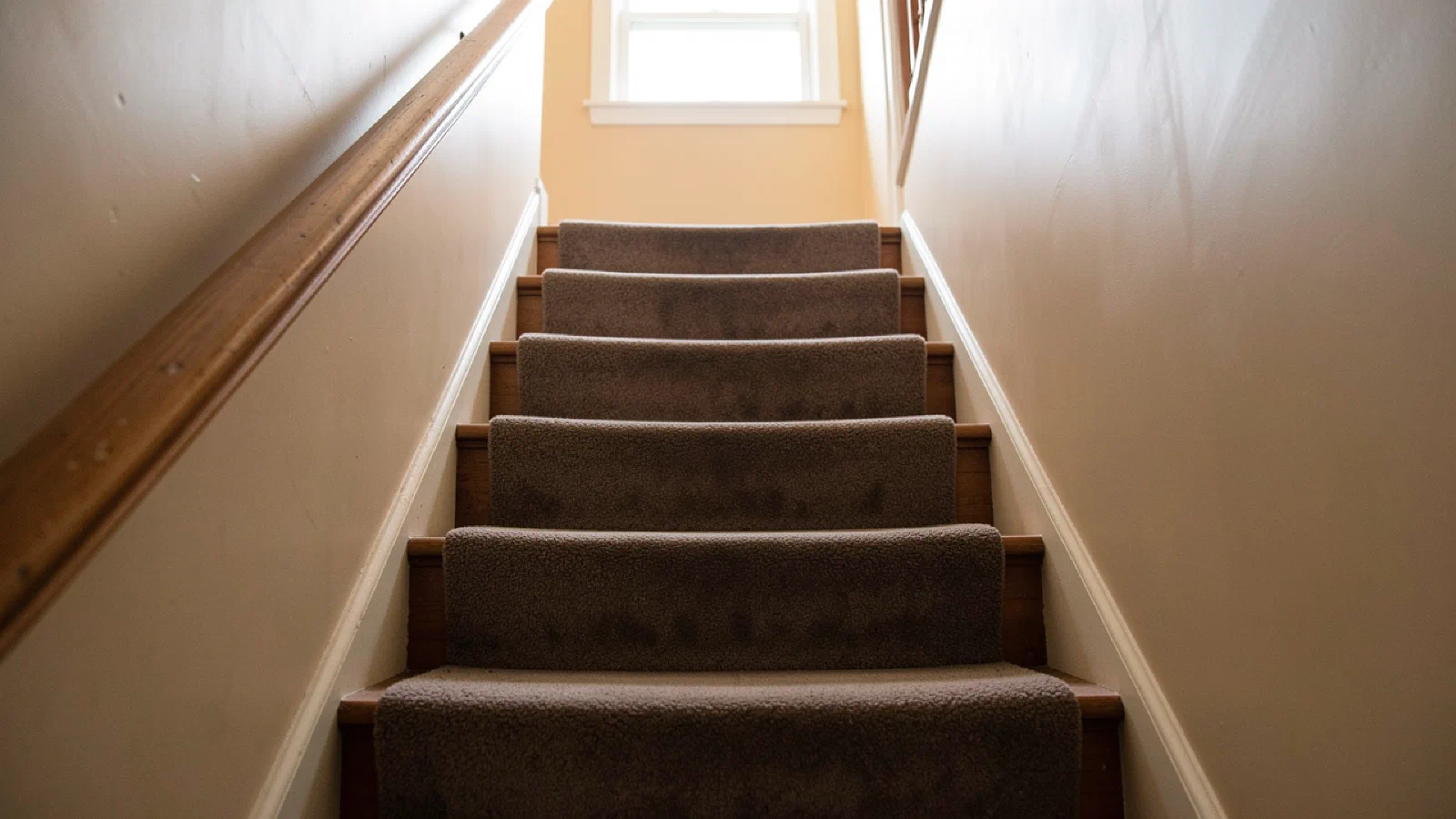
A competent adult has the right to make their own choices, even poor choices. To smoke cigarettes. To skip medications. To live alone in a house with stairs they can barely climb. Autonomy is not conditional on wisdom. Respecting autonomy means respecting the right to accept risks others would not accept.
But when does protection become appropriate? When does respecting autonomy become abandoning someone to harm?
The question is hardest in cognitive impairment. If dementia has progressed to the point where a person cannot accurately assess their own risk, whose judgment prevails? The person who insists they are fine may be incapable of understanding why they are not. The family who says otherwise may be right, or may be imposing their own fears, or may be motivated by inheritance or convenience or exhaustion.
Legal frameworks try to manage this tension without resolving it. Guardianship is a last resort, stripping civil rights and vesting authority in a court-appointed surrogate. Supported decision-making offers an alternative: assistance with decision-making rather than substitution for it. Healthcare proxies and advance directives allow people to name who should decide for them and what those decisions should be, but these documents are only as clear as the foresight that created them.
The ethics of monitoring add another layer. If a sensor detects a fall and a remote operator calls 911, the person who fell did not make that choice. They accepted the monitoring, but did they consent to every consequence that follows from it? Is this care or control? The distinction may depend on who is asking.
What Kindness Looks Like#
There is no clean answer.
Some people stay home too long. They are harmed by risks that could have been avoided. They spend hours on the floor. They wander into traffic. They take medications that poison them. A move could have prevented suffering.
Some people are moved too soon. They lose years of meaningful independence. They are placed in facilities because families were frightened, not because danger was imminent. A little more support, a few more adaptations, and they could have stayed.
The middle ground is not a destination. It is constant adjustment. More help at home. Then more monitoring. Then family members checking in more often. Then a partial move, perhaps to an adult child’s house for a month to see how it goes. Then the conversation arrives anyway, demanded by an event that cannot be argued with.
The kindest thing a family can do is begin the conversation before crisis forces it. Not one conversation, but many. Not a single decision, but a process. Asking: what would make you feel safe? What would make you want to move? What are you most afraid of? Listening to answers that may be contradictory, that may change over time, that may not match what the family thinks is best.
And then, when the moment comes, making the decision together if possible, and for the person if necessary, carrying the weight of it without pretending it is not heavy.
The daughter who found her mother on the kitchen floor will think about that afternoon for the rest of her life. Whatever decision follows, it will feel like it came too late or too soon. Both can be true.
How this article connects to others in Blue Gray Matters.
Sources cited in this article.
- AARP. "Caregiving in the United States 2020." AARP Public Policy Institute, 2020.
- Administration for Community Living. "Supported Decision-Making." ACL.gov, 2024.
- Agich, George J. *Autonomy and Long-Term Care.* Oxford University Press, 1993.
- American Bar Association Commission on Law and Aging. "Guardianship and Alternatives." AmericanBar.org, 2024.
- Caplan, Arthur L. "The Ethics of Long-Term Care." *Generations*, vol. 34, no. 4, 2010, pp. 43-48.
- Callahan, Daniel. "Autonomy: A Moral Good, Not a Moral Obsession." *Hastings Center Report*, vol. 14, no. 5, 1984, pp. 40-42.
- Gaugler, Joseph E., et al. "Predictors of Nursing Home Admission for Persons with Dementia." *Medical Care*, vol. 45, no. 6, 2007, pp. 539-546.
- National Council on Aging. "Making the Decision to Move." NCOA.org, 2024.
- Samus, Quincy M., et al. "Home Is Where the Future Is: The BrightFocus Foundation Consensus Panel on Dementia Care." *Alzheimer's & Dementia*, vol. 14, no. 1, 2018, pp. 104-114.