Medical Tourism and the Equity Question
Who Can Afford to Leave
Two women, both sixty-eight years old, need the same dental work: four implants.
Barbara drives to Los Algodones from her home in Scottsdale. She has a car, a credit card, a passport she renewed last year for a European vacation, and a daughter who can watch her house while she is gone. She researches clinics for two months, books an appointment, drives four hours, and pays $5,200 for implants that would have cost her $23,000 at home. The procedure goes well. She drives back to Arizona three days later.
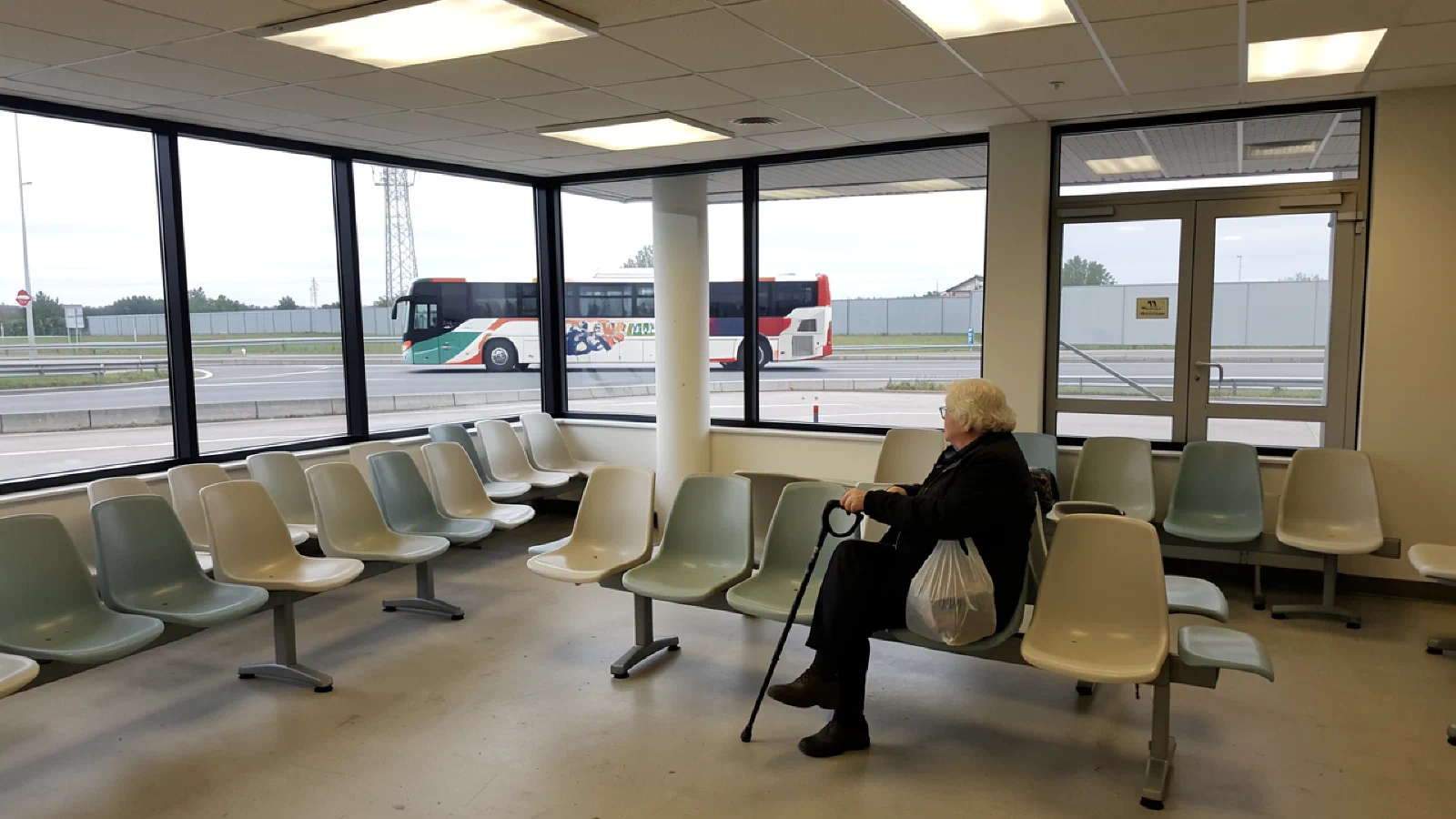
Doris lives in rural Mississippi. She has no car; her husband died four years ago, and she sold theirs to pay for his funeral. She has no passport; she has never left the country and would not know how to obtain one. She has no credit card; her Social Security check covers rent and utilities with little left over. She has no idea dental tourism exists; nothing in her world has introduced the concept. She will not get implants. She will lose her teeth, one by one, because losing them is free and keeping them is not.
Same need. Different options. This is the equity question that medical tourism raises and does not answer.
The Resources Required#
Medical tourism is an option. It is not an equal option. Accessing care across a border requires resources that are not evenly distributed, and the distribution correlates with the same factors that shape every other health disparity in America.
Money comes first. Even at dramatically reduced prices, medical tourism requires cash or credit upfront. Dental tourism might demand $3,000 to $10,000 before you return home. Surgical tourism for a joint replacement might require $15,000 to $25,000, paid in advance or shortly after arrival. Retiring abroad requires moving costs, first-and-last-month deposits, and a financial cushion for the unexpected. People who lack ready access to thousands of dollars cannot access these options, regardless of how much they might save.
Time constrains differently across economic classes. Travel for medical care takes days or weeks. A salaried professional with paid leave can take two weeks for knee replacement in Bangkok. A worker paid by the hour, with no paid leave and a supervisor who will replace them if they disappear, cannot. The flexibility to pursue medical tourism correlates directly with employment status and economic security.
Mobility matters in ways that compound other disadvantages. Medical tourism requires physical ability to travel, health status that permits flying, capacity to manage recovery far from home. The sickest people, those who might benefit most from affordable care, may be the least able to access it. Complex health conditions that require ongoing coordination, multiple specialists, or close monitoring do not transplant easily to foreign systems.
Documentation creates barriers invisible to those who have never faced them. Passport ownership correlates with income and education. Many Americans, particularly in low-income communities and rural areas, have never held a passport. The process of obtaining one requires documentation (birth certificate, identification) that some people lack, fees that some cannot pay, and knowledge of a process that is not uniformly distributed.
Knowledge itself is unequal. Awareness that medical tourism exists, ability to research options, health literacy to evaluate quality, confidence to navigate foreign systems: these capacities develop through education, experience, and exposure that track socioeconomic status. Barbara in Scottsdale learned about dental tourism from colleagues at work and neighbors who had made similar trips. Doris in Mississippi has no such network.
Risk tolerance varies with circumstances. Accepting uncertainty, managing complications from a distance, navigating foreign healthcare systems: these require psychological resources that exhaustion and chronic stress deplete. People who are already managing multiple hardships may lack the bandwidth to take on the additional complexity that medical tourism demands.
Social support structures the possible. Someone must watch the house, manage responsibilities at home, provide care during recovery. Medical tourism patients often travel with companions who help with logistics, advocate during treatment, and provide support during recovery. People without such support face the journey alone, and many cannot manage it.
Who Gets Left Behind#
The poorest Americans cannot access medical tourism because they cannot access anything. They lack resources for travel, but they also lack resources for domestic care. Medical tourism does not help them; neither does the American healthcare system. They fall through every crack.
The sickest face a cruel irony. Complex health conditions that make American care most expensive also make international care most difficult. Multiple comorbidities, medications that require careful management, conditions that demand coordinated specialist teams: these do not transplant easily to facilities designed for otherwise-healthy patients seeking discrete procedures. The people who most need affordable care may be least able to access it abroad.
Rural Americans face geographic barriers layered on economic ones. Distance from borders, lack of convenient airports, limited transportation options: these obstacles multiply for people already underserved by domestic healthcare infrastructure. A retiree in Yuma can walk to Los Algodones. A retiree in rural Kentucky cannot get there without resources she does not have.
Those with caregiving responsibilities at home cannot leave. The grandmother raising grandchildren, the daughter managing her mother’s dementia, the spouse who cannot be absent: these ties bind people to places regardless of what better options might exist elsewhere.
Undocumented immigrants face border crossings that legal residents take for granted. The risk of leaving the country, of interacting with border officials, of encountering obstacles to return: these make medical tourism effectively inaccessible regardless of resources.
What Medical Tourism Reveals#
Medical tourism represents a workaround, not a solution. It allows those with resources to escape a system that fails them while leaving that system intact for everyone else. This has consequences beyond individual outcomes.
Those who can exit reduce political pressure for reform. When middle-class voters can solve their healthcare problems by crossing a border, the coalition for domestic policy change weakens. Medical tourism functions as a release valve, allowing the system to continue failing while those with options find individual escapes.
The two-tier reality sharpens into three tiers. The wealthy access premium American care, insulated from price by insurance or assets. The resourceful access international alternatives, trading money and effort for care they could not otherwise afford. The poor access nothing, or access emergency rooms and charity care and the fragmented safety net that catches some and misses others.
The market logic that produced American healthcare prices produced medical tourism as its shadow. When healthcare operates as a commodity rather than a right, those with resources find the best deals they can, and those without resources absorb whatever the system provides. Medical tourism is not a market failure; it is a market functioning exactly as markets function, sorting people by purchasing power rather than need.
What Would Change the Calculus#
Policy changes could reduce the need for medical tourism by making domestic care accessible.
Medicare dental, vision, and hearing coverage would eliminate the primary driver of dental tourism. Legislative proposals exist; none have passed. For those who want to understand the political economy of American healthcare, the persistence of these gaps despite widespread support tells the story.
Comprehensive drug pricing reform would close the gap that sends Americans across borders for prescriptions. The Inflation Reduction Act began this work; completion would require reforms that pharmaceutical companies have successfully resisted for decades.
Universal coverage, of the kind that exists in every other wealthy nation, would eliminate the category of people who lack insurance entirely. The uninsured are among the most likely to consider medical tourism and the least likely to have resources to pursue it.
Telehealth expansion could bring some international expertise to American patients without requiring travel. This is the subject of the synthesis that follows this installment.
The Honest Assessment#
Medical tourism is a rational response to irrational policy. It deserves neither celebration nor condemnation. Celebrating it treats a symptom as a solution. Condemning it blames individuals for responding reasonably to unreasonable circumstances.
What medical tourism deserves is clear-eyed acknowledgment of what it reveals. This is what happens when healthcare is treated as a commodity rather than a right. Those who can afford to leave find ways to leave. Those who cannot afford to leave absorb the costs, in money, in health, in teeth lost and conditions untreated and years of life surrendered to a system that values some people’s bodies more than others.
Barbara got her implants. Doris will lose her teeth. Both are American citizens who worked their entire adult lives, paid taxes, contributed to communities, raised families. The difference between them is not virtue or effort. It is resources, distributed by systems that have nothing to do with merit and everything to do with circumstance.
Medical tourism cannot fix this. Only policy can fix this. Until then, those with options will take them, and those without options will do what people without options always do: make impossible choices among bad alternatives, and absorb the consequences in their bodies.
How this article connects to others in Blue Gray Matters.
Sources cited in this article.
- "FAQs on Prescription Drug Importation." KFF, 9 Aug. 2025, www.kff.org/health-costs/faqs-on-prescription-drug-importation/.
- "Medical Tourism Statistics and Facts (2026)." Market.us, media.market.us/medical-tourism-statistics/. Accessed 3 Mar. 2026.
- Patients Beyond Borders. "Medical Tourism Statistics and Data." Patients Beyond Borders, www.patientsbeyondborders.com/media. Accessed 3 Mar. 2026.
- Snyder, Jeremy, et al. "A Critical Examination of Empowerment Discourse in Medical Tourism: The Case of the Dental Tourism Industry in Los Algodones, Mexico." BMC Medical Ethics, vol. 19, no. 1, 2018, pmc.ncbi.nlm.nih.gov/articles/PMC6054732/.
- U.S. Department of State. "Passports." Travel.State.Gov, travel.state.gov/content/travel/en/passports.html. Accessed 3 Mar. 2026.