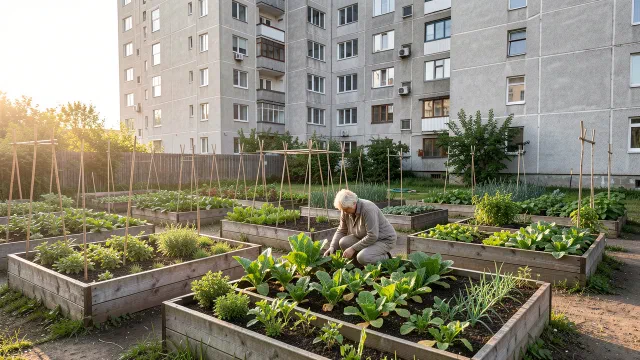
Series
Three Americas Growing Old
Where you live determines how you age. Five installments trace the rural cliff where hospitals and pharmacies vanish, the suburban trap built for cars instead of aging bodies, and urban invisibility where density masks isolation. Broadband access threads through all three: the digital lifeline that reaches some communities and skips others entirely. The synthesis follows food, movement, and health across the geography.
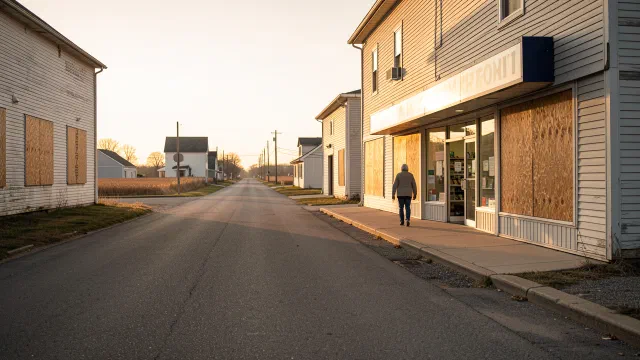
BGM-10A
The Rural Cliff
Hospital Closures, Physician Deserts, and the Collapse of Rural Healthcare
Rural Americans age into a landscape where the nearest specialist is an hour away, the hospital may have closed, and the family that might have helped has moved to a city. The …
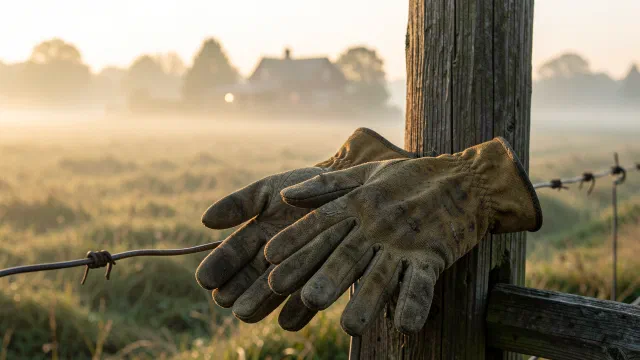
BGM-10B
Aging on the Farm
Land, Labor, and the Weight of Legacy
Farming is one of the most physically demanding occupations in America, and agricultural communities face a particular convergence: aging farmers with no succession plans, bodies …
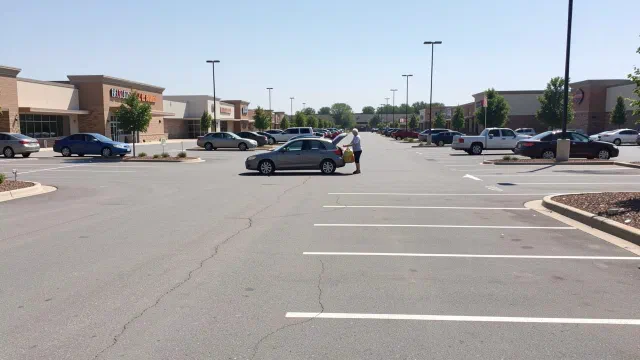
BGM-10C
The Suburban Trap
How the Places Built for Families Fail Aging Bodies
The suburb was built for the commute and the school run. The people who stayed past 65 are discovering what that design choice costs when the car is gone and the nearest grocery …
BGM-10D
Urban Aging: Invisible in the Crowd
Density, Displacement, and the Paradox of Growing Old in a City
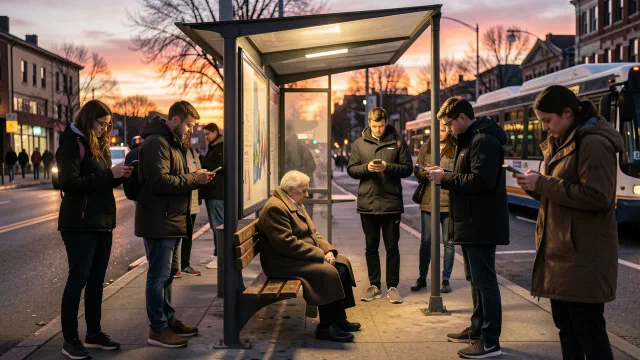
Cities offer density, transit, and services that rural areas cannot match, but urban aging is not uniformly easier. It is shaped by neighborhood, income, and the degree to which a …
BGM-10E
Broadband as a Lifeline
The Infrastructure That Decides Who Gets Care and Who Gets Left Behind
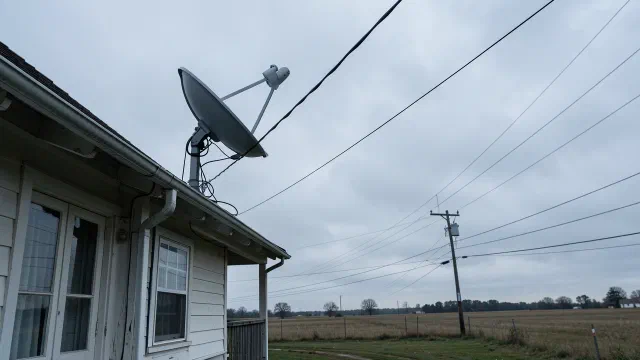
For older adults in rural and underserved areas, broadband is the infrastructure that connects them to telehealth, to family, and to services. What the digital divide in aging …