Aging on the Reservation
Native Elders, Sovereignty, and Survival
The loom has been in Betty Yellowhorse’s family for four generations. She learned to weave from her grandmother in a house that no longer stands, and now at 76 she teaches her granddaughter the same patterns in a trailer on the eastern edge of the Navajo Nation. Her hands are swollen with arthritis. The rheumatologist is four hours away in Albuquerque. She has not seen a specialist in three years because the trip requires someone to drive her, and that person would have to take a day off work.
The pattern she is teaching her granddaughter is called “Storm.” Her grandmother taught it to her mother, who taught it to her. If Betty dies before passing it on, the pattern dies with her. This is not metaphor. This is what happens when elders go: knowledge goes with them. Language, ceremony, stories, skills. Every death is a small extinction.
Native American and Alaska Native elders age in conditions that most Americans would find unrecognizable. Life expectancy for Native people is approximately five and a half years below the national average. Rates of diabetes are among the highest of any population in the country, affecting up to half of adults in some tribal communities. Heart disease, obesity, and substance use disorders follow similar patterns. The COVID-19 pandemic hit Native communities with mortality rates far exceeding national averages. Elders were devastated.
The roots of these disparities are not mysterious. They are the predictable outcomes of historical trauma and ongoing neglect. Genocide. Forced relocation. Children taken from families and sent to boarding schools where speaking their language was punishable, where culture was beaten out of them, where many did not survive. Treaties signed and broken. Land stolen. Communities impoverished by design.
The health system that exists to serve Native Americans, the Indian Health Service, is a federal agency that represents treaty obligations made when the United States took the land. Those obligations have never been met. IHS receives approximately forty percent of what national per capita healthcare spending would suggest is appropriate. The underfunding is chronic and deliberate. It is not a bug; it is a feature.
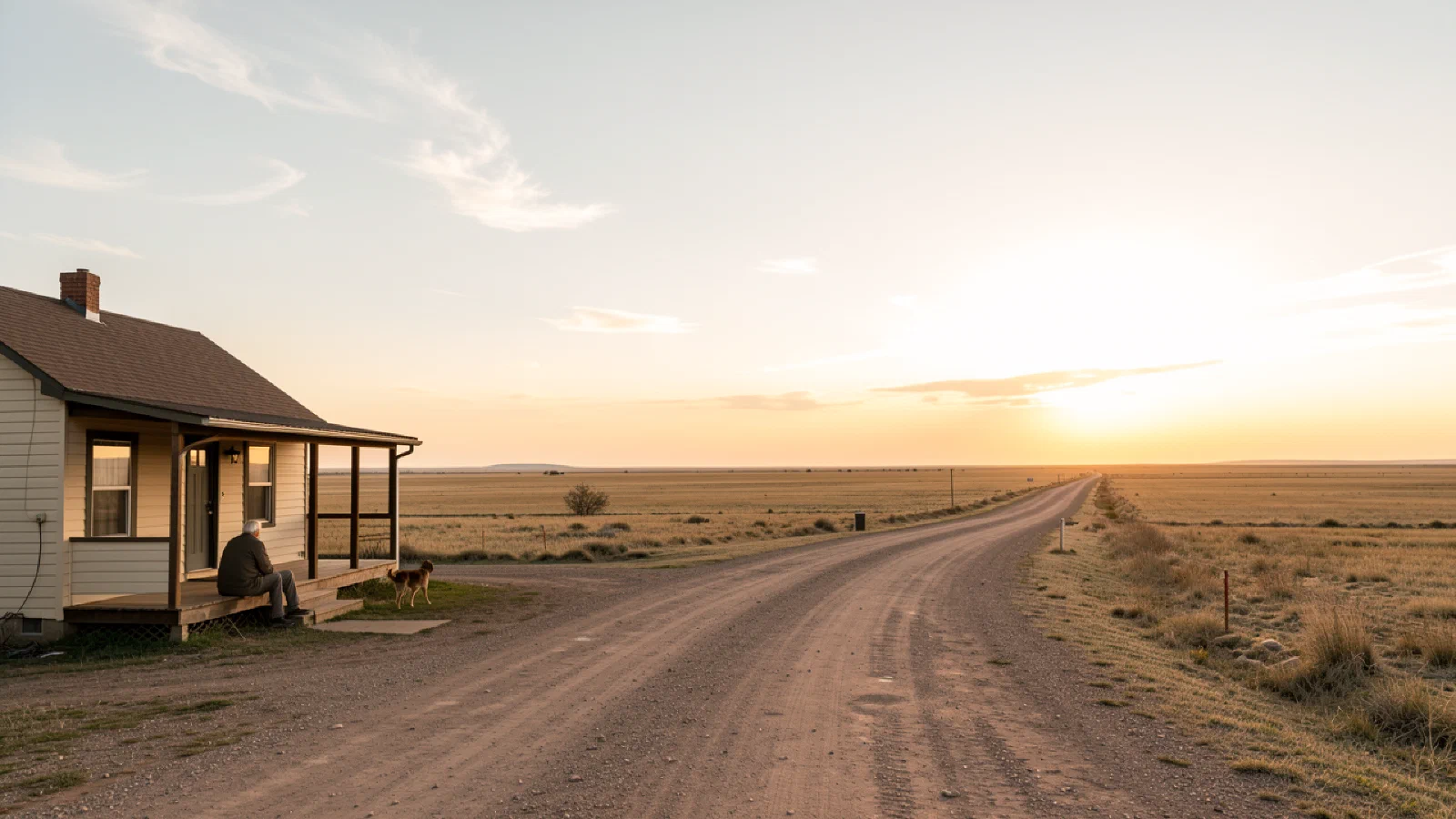
On the ground, this means clinics with limited hours and overwhelming demand. It means primary care available but specialty services scarce. It means that someone like Betty Yellowhorse, who needs to see a rheumatologist for the arthritis that is crippling her hands, must travel to an off-reservation facility or go without. Transportation is not available. The trip takes an entire day. So she goes without.
For elders who develop dementia or need long-term care, the options are even more limited. There are almost no tribally based nursing homes. Elders who can no longer be cared for at home must leave the reservation, moving to facilities in distant towns where no one speaks their language, where the food is unfamiliar, where they die far from the land that holds their ancestors.
This is not just personal tragedy. It is cultural loss. In many tribal nations, elders are not simply respected; they are essential. They are the keepers of oral history, the fluent speakers of endangered languages, the holders of ceremony and tradition. When an elder dies without passing on what they know, that knowledge is gone forever. There are no backups.
The urgency is acute because many Native languages are on the edge of extinction. For some tribes, the only fluent speakers are elders in their seventies and eighties. Language revitalization programs are working against the clock. Every year that passes without adequate elder care is a year that languages disappear, that ceremonies lose their practitioners, that the threads connecting past to future grow thinner.
Tribal sovereignty offers both promise and constraint. Sovereign nations have the right to govern themselves, including in healthcare. Some tribes operate their own health systems under self-determination agreements with the federal government. These programs can integrate traditional healing with Western medicine in ways that IHS-operated facilities rarely do. The quality varies enormously depending on tribal resources and capacity.
But sovereignty without adequate funding is hollow. Whether health services are provided by IHS directly or by tribally operated programs, the money flows through the same chronically underfunded federal appropriation. Tribes cannot spend what they do not have. Self-determination is essential, but it is not a substitute for resources.
What do Native elders need? The obvious answer is what everyone needs: accessible healthcare, support for independence, options when independence is no longer possible. But the specifics matter. Telehealth infrastructure that could bring specialty care to remote areas requires broadband that many reservations lack. Home-based services that could keep elders in their communities require funding and workforce that do not exist. Cultural programs that support knowledge transfer require investment in something that conventional healthcare budgets do not measure.
Some of the most important work is being done by elders themselves. Language immersion programs bring grandchildren to live with grandparents, learning languages by living them. Cultural schools teach the old ways to new generations. Ceremonies continue because elders continue to conduct them. This is not preservation in the museum sense; it is living culture sustained by people who refuse to let it die.
The federal government has treaty obligations that it has never honored. The healthcare promised when the land was taken has never been adequately provided. This is not charity that Native communities are asking for. It is what was agreed upon and never delivered. The underfunding of IHS is not an oversight. It is a broken promise that compounds daily.
Betty Yellowhorse finishes the lesson with her granddaughter as the light fails. Tomorrow she will wake up with hands that ache, take the medications she can afford, and do the work that needs doing. She is not waiting for the government to fix anything. She stopped expecting that a long time ago. What she is doing is making sure that when she goes, the pattern does not go with her.
Aging on the reservation is aging in the context of historical trauma and ongoing neglect. It is also aging with profound cultural meaning. Native elders hold what cannot be replaced. Their loss ripples beyond the family, beyond the tribe, into the future that will not know what it has lost.
What is required is not pity. It is what was promised and never delivered: the resources for communities to care for their own. The loom is still in Betty’s hands. The language is still on her tongue. The ceremony is still in her memory. Time is running out, not because of nature, but because of choices made by people with the power to choose differently.
How this article connects to others in Blue Gray Matters.
Sources cited in this article.
- Indian Health Service. "Disparities Fact Sheet." U.S. Department of Health and Human Services, Oct. 2019.
- U.S. Government Accountability Office. "Indian Health Service: Spending Levels and Characteristics of IHS and Three Other Federal Health Care Programs." GAO-19-74R, 6 Dec. 2018.
- Arias, Elizabeth, et al. "Provisional Life Expectancy Estimates for 2021." National Center for Health Statistics Vital Statistics Rapid Release Report, no. 23, Aug. 2022.
- Centers for Disease Control and Prevention. "Diabetes and American Indians/Alaska Natives." Office of Minority Health, 2024.
- Hatcher, Sarah M., et al. "COVID-19 Among American Indian and Alaska Native Persons — 23 States, January 31-July 3, 2020." Morbidity and Mortality Weekly Report, vol. 69, no. 34, 28 Aug. 2020, pp. 1166-1169.
- Brave Heart, Maria Yellow Horse, et al. "Historical Trauma Among Indigenous Peoples of the Americas: Concepts, Research, and Clinical Considerations." Journal of Psychoactive Drugs, vol. 43, no. 4, Oct.-Dec. 2011, pp. 282-290.
- U.S. Commission on Civil Rights. "Broken Promises: Continuing Federal Funding Shortfall for Native Americans." Briefing Report, Dec. 2018.
- Warne, Donald, and Linda Bane Frizzell. "American Indian Health Policy: Historical Trends and Contemporary Issues." American Journal of Public Health, vol. 104, suppl. 3, June 2014, S263-S267.
- U.S. Census Bureau. "American Indian and Alaska Native Heritage Month: November 2023." Newsroom, 2023.